


The Essential Guide to Estate Planning

Estate planning is often delayed because it feels overwhelming or unnecessary. But it’s more than just writing a will; it’s about making sure your assets are handled the way you want, your loved ones are protected, and your legacy is preserved. This guide breaks down the essentials of estate planning, including key documents and why every adult should have a plan.
What Is Estate Planning?
Estate planning is the process of deciding how your assets, like money, property, and investments, will be managed if you’re incapacitated or after you pass away.
A good estate plan allows you to:
- Distribute assets according to your wishes
- Appoint someone to manage your affairs if you can’t
- Reduce taxes, fees, and family disputes
- Give peace of mind to your loved ones
Who Is Estate Planning For?
Estate planning isn’t just for the wealthy, it’s something everyone should consider, regardless of the size of their estate. It’s about ensuring your wishes are respected, protecting your family, and avoiding unnecessary stress or complications in the future.
Why Do I Need an Estate Plan?
The most compelling reason to create an estate plan is peace of mind. It ensures that your assets are distributed as you wish, that your loved ones are cared for, and that the process will be as smooth as possible during a difficult time. Estate planning can help avoid probate, reduce taxes, and prevent disputes among family members.
Without an estate plan, you could lose control over important decisions and have your assets distributed according to state laws, not your wishes. Your estate may be subject to higher taxes and lengthy legal battles, putting your family through costly, stressful probate proceedings and the uncertainty of a court deciding who will manage your affairs and inherit your assets.
What Are Your Estate Planning Goals?
Before you begin, take some time to think about your goals and concerns. Consider these questions to clarify your objectives:
- Do you want to avoid probate?
- Are you concerned about estate taxes?
- Do you have specific healthcare or end-of-life wishes?
- Would you like to create a trust for your children or grandchildren?
Is an Attorney the Right Fit?
Having a clear sense of your goals will help you communicate effectively with an attorney, ensuring they understand your needs. The attorney you choose should specialize in estate planning and make you feel comfortable. Consider their experience with cases similar to yours, their ability to explain complex terms clearly, and their approach to communication. Ask about their fee structure, availability for future updates, and whether they’re transparent and trustworthy. Ultimately, trust your instincts—if something doesn’t feel right, consider looking elsewhere.
What Are the Key Documents in Estate Planning?
There are several critical documents that make up an estate plan. Each one serves a different purpose, but together, they ensure your wishes are clearly communicated. The following are the most important documents to include in an estate plan:
Last Will and Testament:
A will specifies how your assets will be distributed after your death and names an executor to carry out your wishes. It also allows you to appoint guardians for minor children. Without a will, state laws determine asset distribution, which may not reflect your desires.
Revocable Trust:
A revocable trust is a legal arrangement where a person (the grantor) places assets into a trust while retaining control over them during their lifetime. This means the grantor can modify, add to, or revoke the trust at any time. One of the primary benefits of a revocable trust is that it helps avoid the probate process, which can be time-consuming and public. Upon the grantor’s death, the assets held in the trust are distributed directly to beneficiaries, bypassing probate and ensuring a quicker, more private transfer. Alternatively, assets can be held in trust for the benefit of the beneficiary and managed by a trustee according to the terms of the trust.
In addition to these advantages, revocable trusts can also be used as an estate planning tool to potentially take advantage of tax exemptions and deductions, depending on how the trust is structured.
Durable Power of Attorney (POA):
A power of attorney gives someone authority to make financial and legal decisions for you if you become incapacitated.
Healthcare Proxy (Advance Directive):
A healthcare proxy designates someone to make medical decisions on your behalf if you can’t communicate your wishes. This document is part of an advance healthcare directive and often includes a living will that outlines life-sustaining treatment preferences.
Making Important Decisions
When creating your estate plan, choose the right people for key roles. The executor manages your estate after death, paying debts and distributing assets, and should be responsible and trustworthy.
The trustee oversees a trust’s assets and ensures they’re distributed per your wishes. They should also be reliable and financially capable.
For a healthcare proxy and power of attorney, select individuals who can make tough decisions on your behalf, someone who understands your medical preferences for the proxy, and who can manage financial and legal matters for the power of attorney.
What Are the Tax Implications?
One of the most important aspects of estate planning is considering the tax consequences of transferring your assets. Federal and Vermont estate taxes only apply to estates above a certain threshold. Estate planning can help reduce the tax burden on your heirs.
Reviewing and Updating Your Estate Plan
Estate planning is not a one-and-done task. As life changes, whether through marriage, the birth of children, divorce, or changes in financial circumstances, it’s important to update your estate plan accordingly. This ensures that your plan remains in line with your current wishes and goals.
About the Author
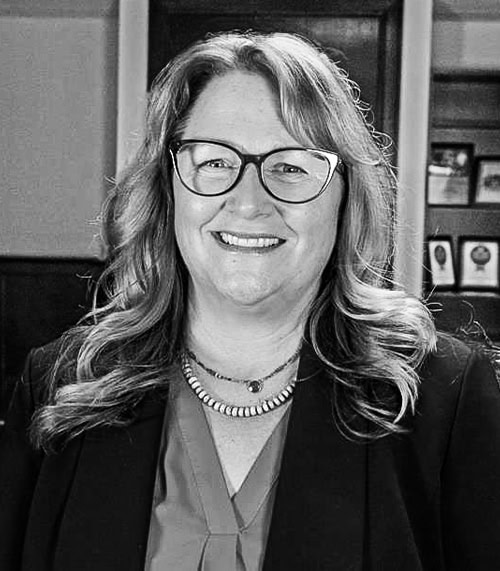
Molly Bucci, Esq.
A guest author for EastRise, Molly Bucci, Esq. is a Shareholder in the Burlington, Vermont office of Primmer Piper Eggleston & Cramer PC. She brings decades of experience representing families, fiduciaries, and beneficiaries in trust, probate, and estate matters. Molly’s practice focuses on comprehensive estate planning, business succession planning, and real estate issues related to wealth preservation.
Active in both her profession and community, Molly serves on the boards of the Vermont Children’s Trust Foundation and SSTA, and is engaged with a variety of legal and civic organizations throughout the state. She can be reached by phone at 802.864.0880 or by email at mbucci@primmer.com.
Subscribe to the EastRise blog
Stay up to date on financial tips, tricks, and tools that will build your financial skillset and help you reach your goals.
